The guide
A family testimonial video fills beds when it is placed where deciding families already are, not when it sits quietly on your homepage. The four placements that do the work are paid Meta ads shown to local families, the enquiry path of your own website, your Google Business Profile, and the follow-up you send after someone enquires or visits.
Updated August 2026
Most homes that commission a film publish it once and wait. In brief:
The distinction
Because commissioning and placing are two different jobs, and only one of them is usually anyone's responsibility.
What actually fills beds
The same film, cut for four different moments in a family's decision, and put where that family already is. Two homes can commission the identical film; the one that places it in front of local families fills beds first.
Placement
Four places, each doing a different job at a different point in the decision.
| Placement | Job it does | Best length |
|---|---|---|
| Meta ads to local families | Reaches deciding families who were not searching yet | Under a minute |
| Your website's enquiry path | Deepens trust once a family is actively considering you | Two to three minutes |
| Google Business Profile | Reassures at the comparison stage, next to your reviews | Under two minutes |
| Post-enquiry and post-visit follow-up | Steadies the decision between visit and move-in | The full story |
The reach case for the first placement is simple. Ofcom's Online Nation 2025 report found Facebook and Messenger reach 93% of online UK adults, who spend around 42 minutes a day there. The family members deciding on care are on those feeds this evening, whether or not they typed anything into a search box. Directories and Google both work for the families actively searching; the ceiling on both is that they only ever reach that active group. A film in a local feed reaches the far larger group who need care soon but have not started searching, and it reaches them with a story rather than a listing. There is more on how paid Meta campaigns reach local families.
The viewer
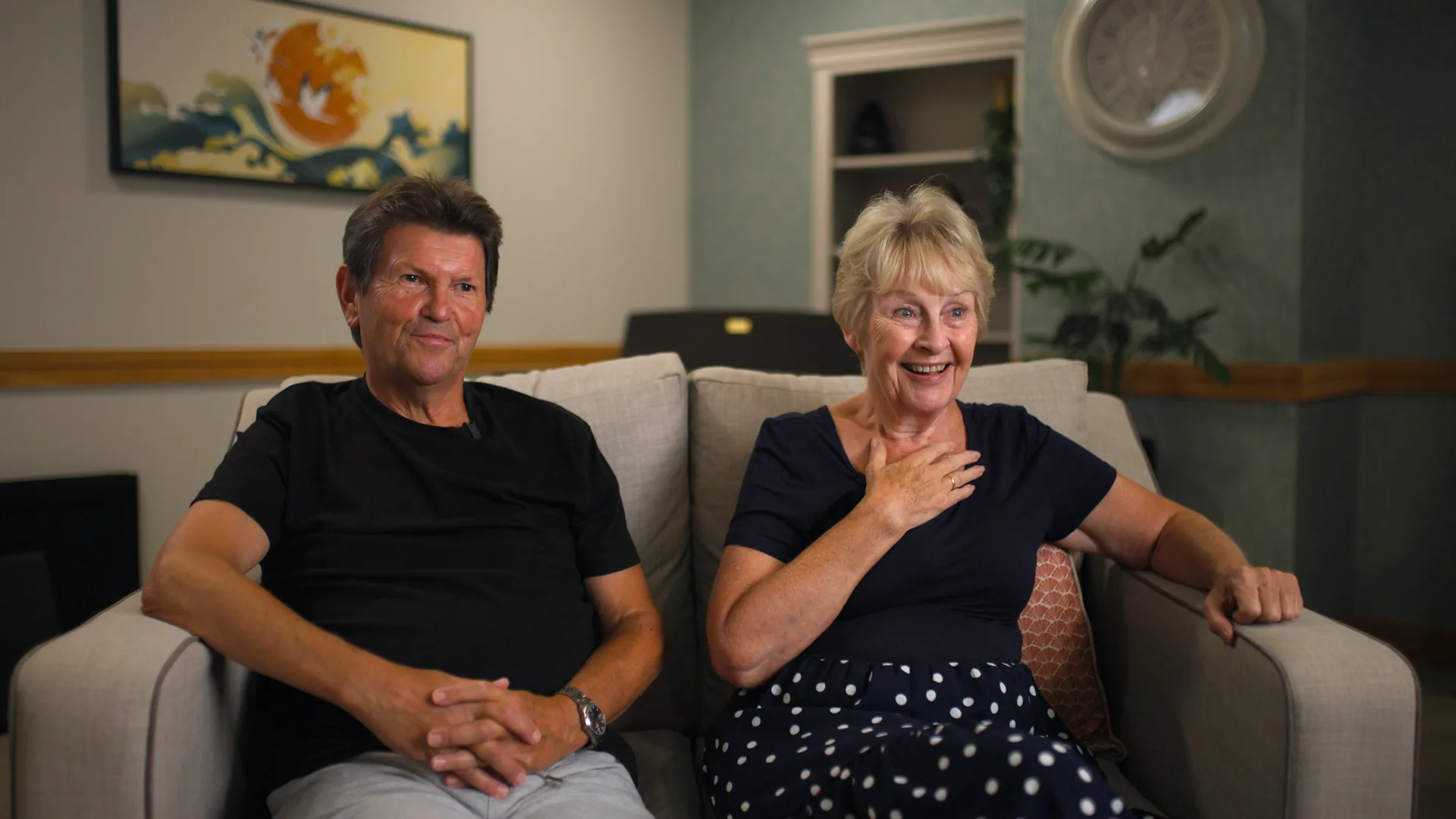
The person carrying the decision, and that is usually the adult child of the person needing care, though often another close family member: a spouse, a sibling, a niece or nephew, a grandchild. They are typically in their forties to sixties, local or within visiting distance, and deciding under pressure.
That matters for the story you film. The person watching is not choosing for themselves; they are looking for evidence that someone like them made this choice and can stand behind it. The most persuasive line in a testimonial is rarely about the building. It is a daughter or a husband saying, in their own words, that the guilt lifted and life with their relative got better.
Care England and Log my Care's national report on how families find and choose care found 97% of families found arranging care difficult, only 19% used inspection reports in their research, and reputation ranked as the top factor in the final decision. A testimonial film is reputation made visible: one family vouching for you, on the record, with their faces and names. Private-pay families feel this most keenly. They are choosing a home directly rather than waiting on a placement, and they value an honest picture of daily life over a brochure.
What works
Honesty fills beds; polish alone does not. The films that generate enquiries share three traits, and none of them is production value.
The doubt, the guilt, the weeks of struggling at home belong in the story, because that is where the watching family currently is. The film then ends where every good testimonial should end: on relief, and on what daily life is like now. Never on fear, and never on guilt.
On camera, with their consent and at their own pace. Real people, never AI, never actors, never a script. Families can tell, and the moment they suspect a performance the film works against you.
A film multiplies the effect of a home that responds to enquiries quickly and warmly. It cannot compensate for one that does not. If enquiries are sitting unanswered for days, that is the cheaper fix and it comes first.
The rollout
Cut at least three lengths from a single shoot, because each placement rewards a different duration. Wistia's State of Video report for 2026 puts average engagement for videos under one minute at around 52%, while three to five minute videos hold around 43%, and short-form engagement fell around 10% year on year as feeds grew more crowded. The lesson is not that short always wins; it is that the feed is for the hook and your own site is for the story.
In the home, with consent handled carefully and daily life going on around them. One family told well beats three told thinly. There is more on who to get to make the film in the first place.
An under-a-minute cut for ads and social, a two to three minute story for the website and Google profile, and the full interview for follow-up. Agree this before the shoot, not after.
Launch the short cut as a Meta ad to local families, embed the story cut beside your enquiry form, and upload to your Google Business Profile alongside your reviews.
So every family who visits receives the fuller story the same week, while the decision is live. This is the placement nobody remembers and the one that shortens the gap between a visit and a yes.
Speed
Placed as an ad, a film can start generating enquiries within days of launch. Left unplaced, it may never pay back at all. The paid placement works on the timescale of your next empty bed.
The website and Google placements compound more slowly, improving the conversion of enquiries you were already getting. The follow-up placement is the quiet one that shortens the gap between a visit and a yes. That difference in speed is why the placement question matters more than the production question.
Honestly
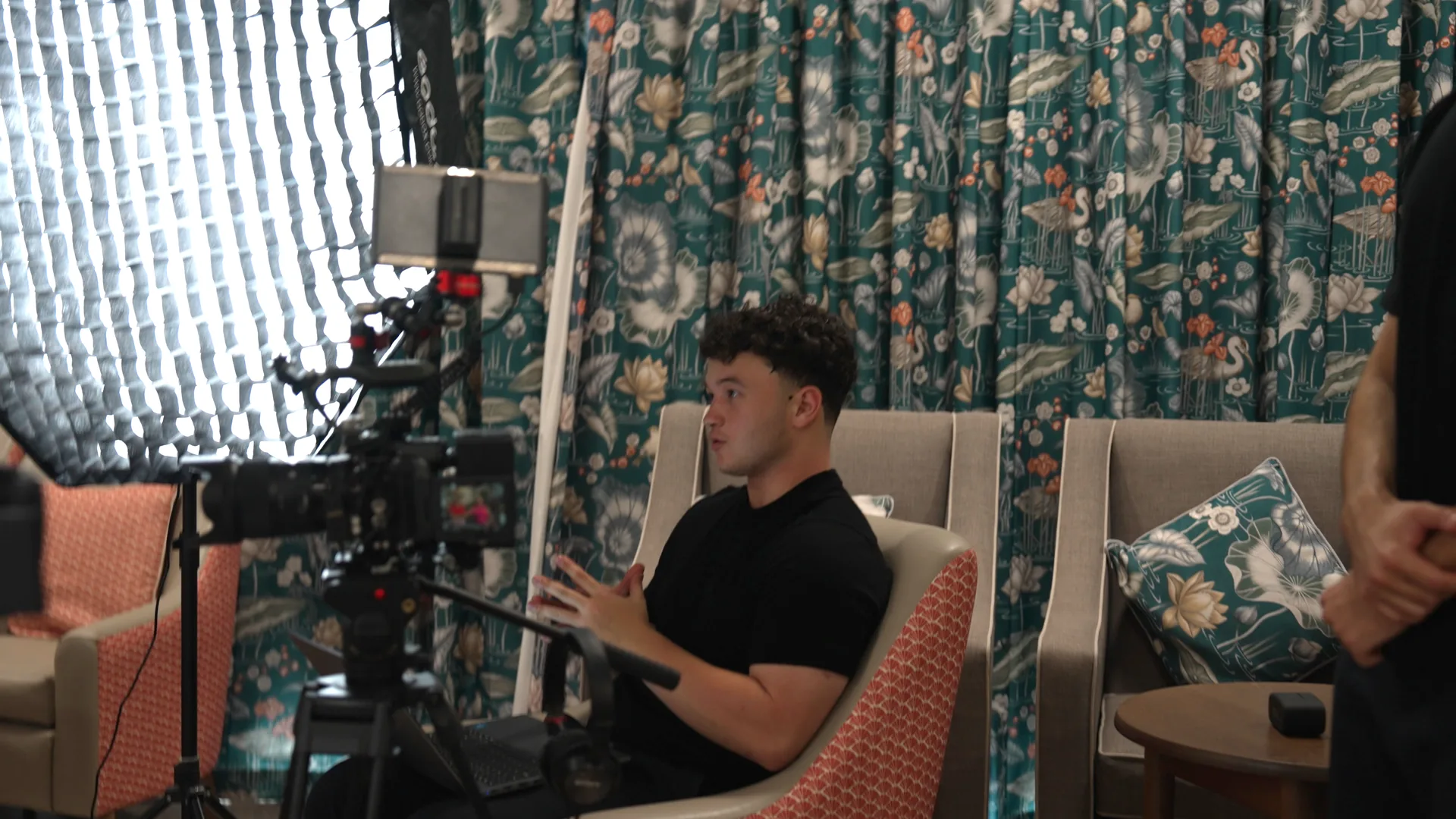
The main risks are consent handled casually, a film that feels staged, and expecting the film to do the whole job. Consent must be informed, unhurried and revocable, for the family and for any resident who appears. A staged feel, scripted lines, or a film that ends on fear rather than relief will repel the very families it is meant to reassure. And a film cannot fix a home that is not good, or rescue enquiries that sit unanswered.
None of these risks argues against filming. They argue for doing it with care, which is also what the watching family is judging.
This is for elderly care homes with genuinely good care, at least one family willing to tell their story, and beds to fill, and it is most powerful for homes that want more private-pay enquiries. If your occupancy problem is really a visibility problem, start with why families are not finding your home online first. If you have no family yet who would go on camera, that is worth understanding before any filming is booked; it is sometimes its own answer.
Common questions
In the places deciding families already look: as a paid Meta ad shown to local families, on the enquiry page of your own website, on your Google Business Profile, and in the follow-up you send after an enquiry or a visit. A film that only sits on the homepage is doing a fraction of its job.
Cut more than one length from the same shoot. Wistia's 2026 data shows videos under one minute hold around 52% average engagement, so short cuts suit social feeds and ads, while the fuller two to three minute story belongs on your website and in follow-up, where a family has chosen to watch.
Not always, but the bar is honesty, not polish. A real family telling a real story, filmed with consent and care, outperforms a glossy film that feels staged. Professional filming earns its keep by making a working home look like itself on a good day, without disrupting it.
No. A film multiplies the effect of care that is already good and a home that responds quickly to enquiries. If enquiries go unanswered for days, or the care itself has problems, fix that first. Film cannot fix a home that is not good.
Keep reading
Why a real family's story earns trust faster than anything else a home can show.
Who should make your film?Four routes compared honestly, what each costs you in time, and the five questions to ask first.
Showing families daily lifeThe ordinary texture of a day in your home, and why families want to see it before they visit.